
პროექტების ეტაპები
ბიომეურნეობამ უნდა უზრუნველყოს და გააუმჯობესოს ნიადაგის, მცენარეთა, ცხოველის, ადამიანისა და პლანეტის მდგომარეობა, როგორც ერთი და განუყოფელი მთელი.
კერძოდ, ბიომეურნეობა გულისხმობს მაღალი ხარისხის კვების პროდუქტების წარმოებას. ამ პრინციპზე დაყრდნობით აცილებული უნდა იქნეს სასუქების, პესტიციდების, ვეტერინარული პრეპარატების გამოყენება ცხოველებისთვის და საკვებ დანამატებში, რამაც შეიძლება მოახდინოს უარყოფითი ეფექტი ჯანმრთელობაზე.
ბიომეურნეობა უნდა დაპროექტდეს ბუნებრივი ეკოლოგიური სისტემებისა და ციკლის არსებობის პრინციპებზე.
ეს პრინციპი ბიომეურნეობას აფუძნებს ცოცხალ ეკოლოგიურ სისტემებს შორის. ის ამტკიცებს, რომ წარმოება ეფუძნება გარემოსდაცვით პროცესებსა და გადამუშავებას. მხარდაჭერა და კეთილდღეობა მიიღწევა წარმოებაში გარემოსდაცვითი ღონისძიებების გატარებით. მაგალითად, მცენარეთათვის - ცოცხალი ნიადაგი, ცხოველებისათვის - ფერმის ეკოსისტემა, თევზისა და ზღვის ორგანიზმებისათვის - ეს არის წყლის გარემო.
ორგანული მიწათმოქმედების, საქონლის ძოვების დანარგვის მეთოდები და ბუნებრივი სისტემების გამოყენება ველურ ბუნებაში მოსავლის მიღების მიზნით, უნდა შეესაბამებოდეს ბუნებრივ ციკლებსა და ბალანსებს. ეს ციკლები უნივერსალურია, მაგრამ მათი მიმდინარეობის ხასიათი დამოკიდებულია ადგილმდებარეობაზე. ბიომეურნეობის მართვა უნდა იყოს ადაპტირებული ადგილობრივი პირობებთან, გარემოსთან, კულტურისა და მასშტაბებთან. ზემოქმედება უნდა შემცირდეს ხელახალი გამოყენების, უტილიზაციის და მასალების და ენერგიის ეფექტური მართვით, რათა მხარდაჭერილ იქნას და გაუმჯობესდეს ეკოლოგიური ხარისხი და დაცული რესურსები.
ბიომეურნეობამ უნდა მიაღწიოს ეკოლოგიურ ბალანსს მიწის გამოყენების სისტემების დაპროექტებით, გენეტიკური და სოფლის მეურნეობის სხვადასხვაობათა მხარდაჭერის და საცხოვრებელი პირობების შექმნის გზით.
ბიომეურნეობა უნდა აშენდეს იმ ურთიერთობებზე, რომლებიც უზრუნველყოფენ სამართლიანობის გარანტიას საერთო გარემოსა და საცხოვრებელი პირობების გათვალისწინებით.
ეს პრინციპი ხაზგასმით აღნიშნავს, რომ ყველა, ვინც ჩართულია ბიომეურნეობაში, უნდა ხელმძღვანელობდნენ ჰუმანურობის პრინციპებით იმ ფორმით, რომელიც უზრუნველყოფს სამართლიანობას ყველა დონეზე და ყველა მხარისთვის - ფერმერები, მუშები, გადამამუშავებლები, დისტრიბუტორები, გამყიდველები და მომხმარებლები. იგი მიზნად ისახავს საკმარისი რაოდენობის მაღალი ხარისხის საკვები და სხვა პროდუქტების წარმოებას.
ეს პრინციპი აღნიშნავს, რომ ცხოველები უნდა იქნენ უზრუნველყოფილნი სასიცოცხლო პირობებით და შესაძლებლობებით, რომლებიც შეესაბამება მათ ფიზიოლოგიას, ბუნებრივ ქცევასა და ჯანმრთელობას.
ბუნებრივი რესურსები, რომლებიც გამოიყენება წარმოებასა და მოხმარებაში, განიხილულ უნდა იქნას სოციალური და ეკოლოგიური სამართლიანობის პოზიციით მომავალი თაობების ინტერესების გათვალისწინებით. სამართლიანობა მოითხოვს, რომ წარმოება, განაწილება და სავაჭრო სისტემები უნდა იყოს ღია, თანაბარი და ითვალისწინებდეს რეალურ გარემოსდაცვით და სოციალურ ხარჯებს.
ბიომეურნეობის მართვა უნდა ატარებდეს გამაფრთხილებელ ხასიათს, რათა დაიცვას დღევანდელი და მომავალი თაობების ჯანმრთელობა და კეთილდღეობა.
ბიომეურნეობა არის ცოცხალი და დინამიური სისტემა, რომელიც პასუხობს შიდა და გარე მოთხოვნებსა და პირობებს. მათ, ვინც იყენებს ბიომეურნეობის მეთოდებს, შეუძლიათ გააუმჯობესონ ეფექტურობა და გაზარდონ პროდუქტიულობა, მაგრამ ჯანმრთელობა და კეთილდღეობა არ უნდა იყოს რისკის ქვეშ. აქედან გამომდინარე, უნდა შეფასდეს ახალი ტექნოლოგიები, ხოლო არსებული მეთოდები მუდმივად უნდა განიხილებოდეს. ეკოსისტემებისა და სოფლის მეურნეობის არსებობის პრინციპების არასრულყოფილად გაგების შემთხვევაში, აუცილებელია შესაბამისი ზომების გატარება.
ეს პრინციპი ამტკიცებს, რომ უსაფრთხოება და პასუხისმგებლობა არის მნიშვნელოვანი კომპონენტები მართვის, განვითარების მეთოდების, მისაღები ტექნოლოგიების არჩევაში ბიომეურნეობის სფეროში. ბიომეურნეობამ უნდა აღმოფხვრას რისკები სათანადო ტექნოლოგიების გამოყენებით. გადაწყვეტილებები უნდა ასახავდეს ყველა იმ მხარის ღირებულებებსა და საჭიროებებს, რომლის ინტერესებსაც შეიძლება შეეხონ გადაწყვეტილების მიღებისას.
ბიომეურნეობის დაპროექტების დროს შ.პ.ს. „ინოსისტემსი“ ხელმძღვანელობს იმ პრინციპებით, რომლებიც უზრუნველყოფენ ბუნებრივი ეკოლოგიური სისტემებისა და ციკლების არსებობას.
|
1. გაცნობითი პრაქტიკა - ბიომეურნე |
|
2. აგროეკოლოგია და ბიოაგროწარმოება |
|
3. აგროტექნიკური ღონისძიებები ბიომეურნეობაში |
|
4. ნიადაგის ნაყოფიერების ამაღლება ბიომეურნეობაში |
|
5. მცენარეთა დაცვა ბიომეურნეობაში |
|
6. ზოგადი ბიომეცხოველეობა |
|
7. საკვები ბალახების ბიოწარმოება |
|
8. ბიოსაფუტკრის მოწყობა |
|
9. მეფუტკრეობის პროდუქტების ბიოწარმოება |
|
10. ბიომეურნეობის დაგეგმარება |
|
11. ბიოსერტიფიცირება |
|
12. ბიომეურნეობის მართვა |
|
13.მარცვლეული კულტურების ბიოწარმოება |
|
14.ბოსტნეული, ბაღჩეული და ტექნიკური კულტურების ბიოწარმოება |
|
15. ხეხილისა და სუბტროპიკული კულტურების ბიოწარმოება |
|
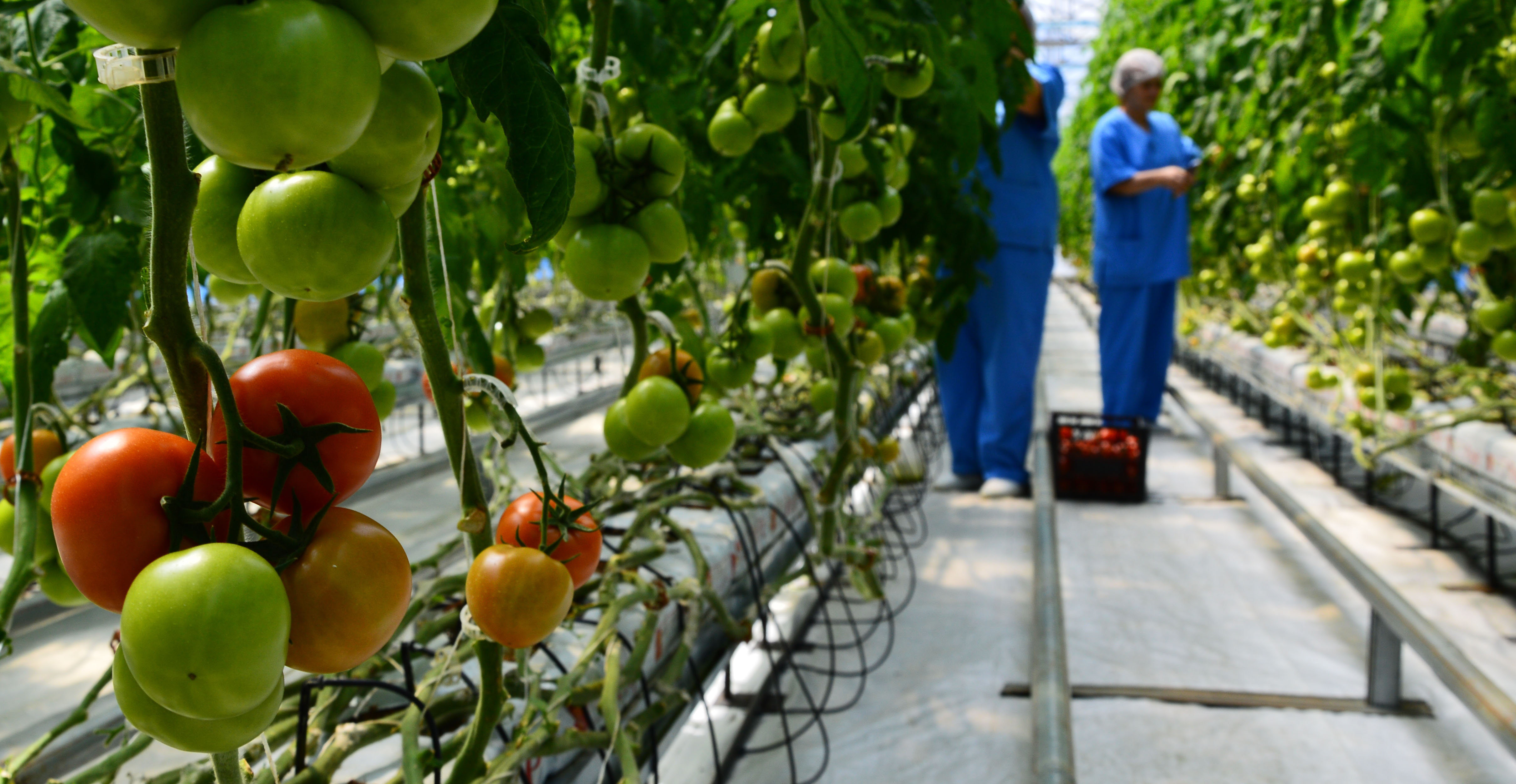
16. ბიოწარმოება დახურულ გრუნტში |
|
17. ყურძნის ბიოწარმოება |
|
18. ბიოღვინის წარმოება |
|
19. სამკურნალო მცენარეთა ბიოწარმოება |
|
|
|
20. დეკორატიულ მცენარეთა ბიოწარმოება |
|
21. ბიომებოცვრეობა |
|
22. ბიომეაბრეშუმეობა |
|
23. აგრობიოლანდშაფტების მოწყობა |
|
24. პირველადი მცენარეული ბიოპროდუქციის გადამუშავების საფუძვლები |
|
25. ბიომეცხოველეობის პირველადი პროდუქციის გადამუშავება |